

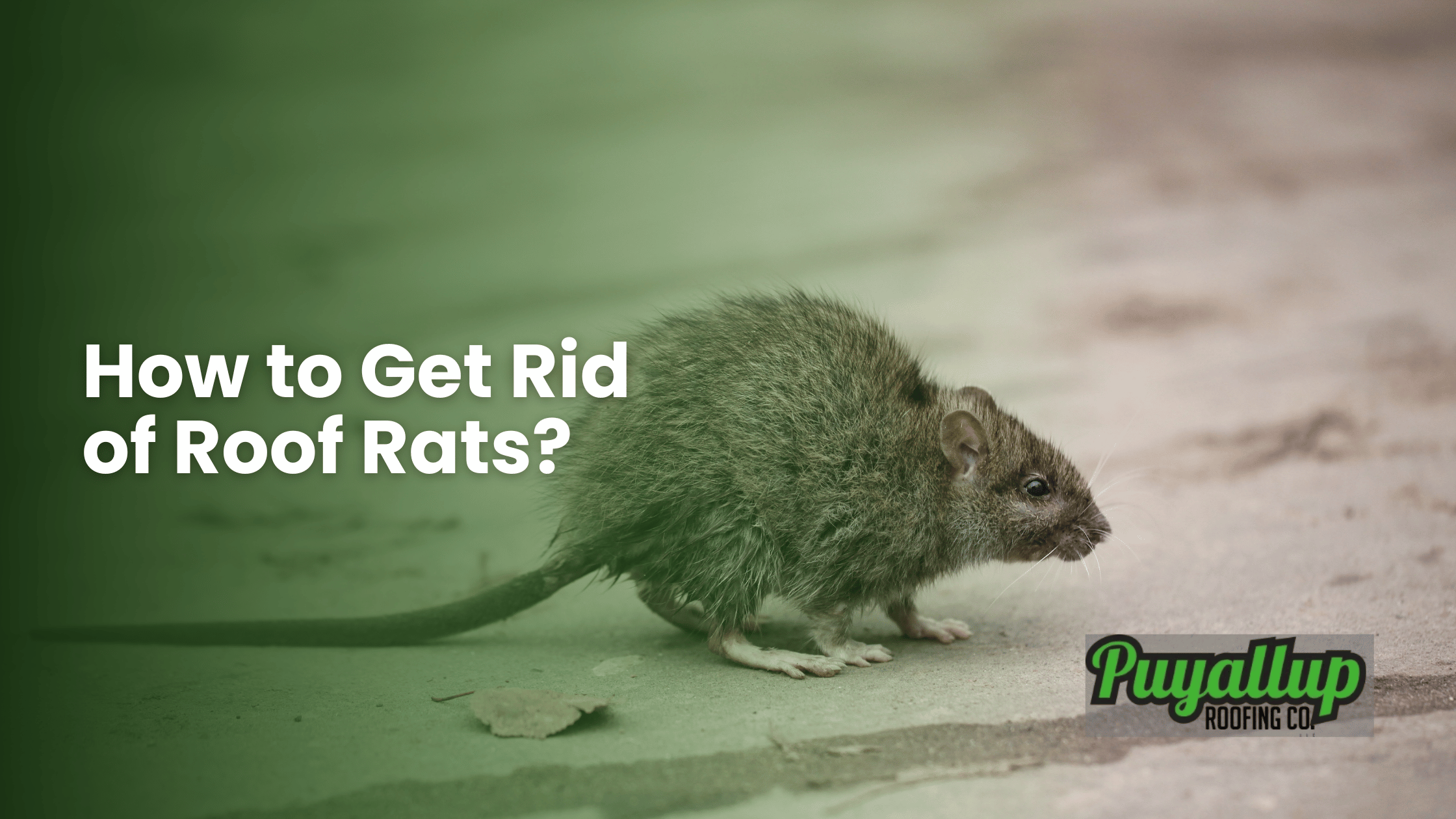
How to Get Rid of Roof Rats and Keep Them From Coming Back?
Hearing scratching above your ceiling at night is unsettling. It may also signal a problem that extends beyond unwanted noise. Learning how to get rid of roof rats requires more than setting one trap in the attic. You need to identify the animal, remove the active rats, find their access routes, repair vulnerable roof areas, and eliminate the conditions attracting them.
Roof rats are skilled climbers. They can travel along fences, vines, utility lines, gutters, and overhanging branches before entering through damaged vents, loose flashing, open soffits, or gaps along the roofline. Unless those weaknesses are corrected, new rats may simply replace the ones you remove.
The Most Effective Roof Rat Control Plan
- Confirm activity through droppings, noises, gnaw marks, tracks, or nesting materials.
- Arrange a thorough rat inspection before closing possible exits.
- Remove accessible food, water, nesting materials, and outdoor shelter.
- Use properly sized rat traps along active travel routes.
- Avoid loose poison inside the attic, where rats may die in inaccessible areas.
- Seal roofline openings with durable, chew-resistant materials.
- Repair damaged vents, soffits, flashing, shingles, and other access points.
How Can You Tell If Roof Rats Are in Your Home?
Roof rats are most active after dark, so homeowners often hear the problem before seeing it. Scratching, scurrying, or light thumping above a bedroom may become more noticeable late at night when the house is quiet.
Look for droppings and nesting materials
Roof rat droppings are typically dark, narrow, and pointed at the ends. You may find droppings near attic insulation, stored boxes, wall openings, rafters, or known travel routes.
Shredded paper, fabric, insulation, and dried plant material can indicate nesting activity. Do not handle droppings or nesting materials with bare hands.
Check for chewing and electrical damage
Like other rodents, rats must gnaw regularly. They may chew wood, plastic, insulation, flexible ductwork, and electrical wiring. Damaged electrical materials are especially concerning because exposed wiring may increase the risk of shorts or fire.
A rat infestation can also damage attic insulation by compressing it, contaminating it, or using it for nesting.
Watch for greasy marks and roof access points
Rats repeatedly following the same route can leave dark rub marks along beams, pipes, walls, and entry openings. Outside, inspect:
- Roof vents and vent screens
- Soffit and fascia intersections
- Gaps beneath eaves
- Loose or damaged flashing
- Openings around utility penetrations
- Damaged shingles or roof decking
- Gutter and roofline transitions
- Branches touching or overhanging the roof
A professional rat inspection should examine both the attic and the exterior. Looking only inside may reveal where the rats are living without showing how they entered.
Why Are Roof Rats Attracted to Your Property?
Rats remain where they can consistently find food, water, and shelter. Trapping may reduce the current population, but long-term control depends on making the property less supportive.
Food sources are not always inside the kitchen
Outdoor attractants commonly include birdseed, fallen fruit, open garbage, compost, pet food, grill grease, and unsecured animal feed. Even small amounts can keep rats returning to the same property.
Practice good housekeeping inside by storing pantry items in sealed containers, cleaning crumbs, and avoiding pet food left out overnight.
Facility sanitation is equally important for commercial properties, multifamily buildings, restaurants, storage areas, and shared garbage enclosures. Overflowing bins or spilled food can support rat activity even when an individual unit is clean.
Dense landscaping creates hidden travel routes
Climbing vines, thick shrubs, woodpiles, yard debris, and overgrown branches provide shelter and protected movement. Roof rats can use a tree limb as a bridge to reach gutters and upper roof sections without crossing open ground.
Trim branches and vines back from the building. Keep firewood raised and separated from exterior walls. Removing cover makes rat activity easier to detect and less comfortable for the animals.
Water and moisture also matter
Leaking outdoor faucets, standing water, clogged gutters, pet bowls, and plumbing problems may provide a dependable water source. Moisture-damaged roof areas can also become easier for persistent pests to exploit.
How to Get Rid of Roof Rats Safely
The best approach combines identification, trapping, sanitation, exclusion, and follow-up monitoring. Skipping one of these stages can allow the infestation to continue.
Step 1: Inspect before sealing the roof
Do not immediately close every visible opening when rats may still be inside. Trapping animals in the attic or wall cavities can lead to odor, additional chewing, and new damage as they attempt to escape.
Begin with an inspection to determine:
- Where activity is concentrated
- Which openings appear active
- Whether more than one entry point exists
- Whether the roof has moisture or structural damage
- Where traps can be placed safely
- Which openings should be repaired after removal
A pest control professional can handle active rat removal, while a roofer can assess roof-related access points and damage.
Step 2: Remove food, water, and shelter
Clean up fallen produce and birdseed. Secure garbage lids. Store pet food and bulk goods in hard-sided containers. Correct water leaks and remove unnecessary clutter from the attic, garage, and yard.
This rat prevention step does not instantly remove an established population, but it makes trapping more effective and reduces the chance of reinfestation.
Step 3: Use the correct rat trap
A rat trap must be large enough for rats. Small mouse traps are not designed for the same animal and may be ineffective.
Place rat traps along edges, beams, or routes showing droppings and rub marks. Rats often avoid unfamiliar objects at first, so successful control may require patience and consistent trap placement.
A rat zapper or enclosed electronic trap may be suitable in certain accessible, dry indoor areas when used according to the manufacturer’s directions. However, every trap must remain inaccessible to children and pets.
Check traps regularly. Wear gloves when handling traps or dead rodents, and follow local disposal guidance.
Step 4: Be careful with bait stations and poison
Tamper-resistant bait stations may be used outdoors as part of a broader rat control program. They must be secured and used exactly as directed to protect children, pets, and wildlife.
Loose poison should not be placed around an attic. A poisoned roof rat may crawl into a wall, insulation cavity, or other unreachable area before dying. That can result in a persistent odor and secondary pest problems.
For a large or recurring infestation, professional pest control is usually safer than experimenting with multiple poisons or unprotected baits.
Step 5: Clean droppings without stirring up dust
Do not sweep or vacuum dry droppings. That can send contaminated particles into the air.
Ventilate the area when possible. Wear rubber or plastic gloves, wet the droppings thoroughly with an appropriate disinfectant, allow the product to remain for its labeled contact time, and wipe the material up with disposable towels.
Extensive attic contamination may require professional cleaning, insulation removal, or sanitation.
Seal and Repair the Roof After Rat Removal
Removing the current rats solves only half the problem. The roof must be secured so the same access route cannot be used again.
Use materials rats cannot easily chew
Expanding foam alone is not a dependable repair for an exposed entry point. Rats may chew through weak fillers. Depending on the location, exclusion work may require metal flashing, hardware cloth, durable vent screening, or a proper roofing repair.
Materials must also preserve ventilation and drainage. Blocking a vent incorrectly can create moisture buildup and shorten the life of the roofing system.
Repair the source, not just the visible hole
An opening may be caused by more than pest activity. Loose soffits, aging fascia, deteriorated decking, storm damage, failed flashing, or poor previous workmanship may have created the original weakness.
Covering the hole without correcting the damaged assembly can leave the roof vulnerable to leaks and future entry.
Inspect nearby roof components
Once one access point is found, inspect the surrounding area. Roof rats may test several weak locations before entering. A complete roof inspection should check adjacent vents, flashing, gutters, eaves, shingles, and penetrations.
This is also the right time to look for water intrusion. Rat damage and moisture damage can overlap, particularly around deteriorated wood and unprotected openings.
What Common Roof Rat Solutions Do Not Work Well?
Many popular shortcuts focus on making rats uncomfortable instead of removing access, food, and shelter.
Scent repellents
Peppermint oil and other strong scents may temporarily alter rat behavior, but their effectiveness fades as the smell weakens. They do not repair entry points or remove an established population.
Ultrasonic devices
Sound-based devices may produce inconsistent results, especially in an attic divided by insulation, framing, stored belongings, and walls. Rats may also adjust when food and shelter remain available.
One trap near the attic hatch
Rats usually travel along protected edges and established routes. A single rat trap placed in an open area may never intersect with that movement.
Sealing first and trapping later
Premature sealing can trap rats inside. The better sequence is inspection, active control, confirmation that activity has stopped, and permanent exclusion.
When Should You Call a Roofer?
Contact a roofing professional when you notice damaged vents, loose flashing, open soffits, chewed roof components, disturbed shingles, water stains, or suspected access along the roofline.
A pest control company handles the animals. A roofing contractor addresses the building weaknesses that allowed them to enter. For many homes, both services are needed to get rid of the immediate problem and prevent its return.
Local Roof Protection From Puyallup Roofing Company
Puyallup Roofing Company helps homeowners and businesses identify and repair roof conditions that may allow pests, moisture, and weather into the building. Our licensed, bonded, and insured team provides roof inspections, repairs, replacements, gutters, and related roofing services throughout Puyallup and communities across Pierce, King, and Thurston counties.
Puyallup Roofing Company
Phone: (253) 201-8034
Email: info@puyalluproofing.com
Address: 6411 72nd St E, Puyallup, WA 98371
Contact us to schedule an honest, no-pressure roof evaluation.
Frequently Asked Questions About Roof Rats
What is the fastest way to get rid of roof rats?
The fastest reliable approach combines professional inspection, correctly positioned rat traps, attractant removal, and roof exclusion. Trapping alone may reduce activity, but the problem can return if entry points remain open.
Can roof rats chew through a roof?
Rats can enlarge vulnerable openings by chewing wood, plastic, vent screens, insulation, and deteriorated building materials. They are less likely to create an opening through a sound roofing assembly than to exploit an existing weak area.
Should I put poison in my attic for roof rats?
Indoor poison is generally a poor choice because rats may die inside walls or inaccessible attic cavities. Properly placed traps provide more control over removal. Outdoor bait stations should be secured and used according to the label.
How many roof rats usually live in an attic?
The number varies. One visible rat does not prove there is only one. Droppings in several locations, repeated nighttime noise, multiple nests, or continued trap activity may indicate a larger infestation.
How long does roof rat removal take?
A minor problem may improve within several days of proper trapping, while an established infestation can take longer. Timing depends on population size, trap avoidance, attic access, sanitation, and whether all exterior openings are identified.
Will roof rats leave on their own?
Roof rats are unlikely to leave a dependable source of food, water, and shelter voluntarily. Even if activity becomes quiet, they may still be nesting or using another part of the structure.
Do not let a small roof opening become a recurring pest and moisture problem. Call or text Puyallup Roofing Company at (253) 201-8034 to schedule a roof inspection and address vulnerable areas before more damage occurs.