

How to Install Gutter Guards? A Complete Step by Step Guide for Homeowners
Gutters help move rainwater safely away from your home. When debris like leaves, pine needles, and dirt collect inside gutters, the system can become blocked. In areas like Washington where rain and trees are common, clogged gutters can quickly lead to roof damage, siding problems, and water pooling around the foundation.
Many homeowners are now searching for how to install gutter guards because they help prevent debris buildup and reduce the need for frequent gutter cleaning. Gutter guards sit on top of the gutter and allow water to flow through while keeping leaves and other materials out.
Learning how to install gutter guards can make maintenance easier, protect your gutters from damage, and help extend the life of your roofing system. With the right tools and preparation, many homeowners can complete this project as a DIY improvement.
What Are Gutter Guards and How Do They Work?
The Purpose of Gutter Guards
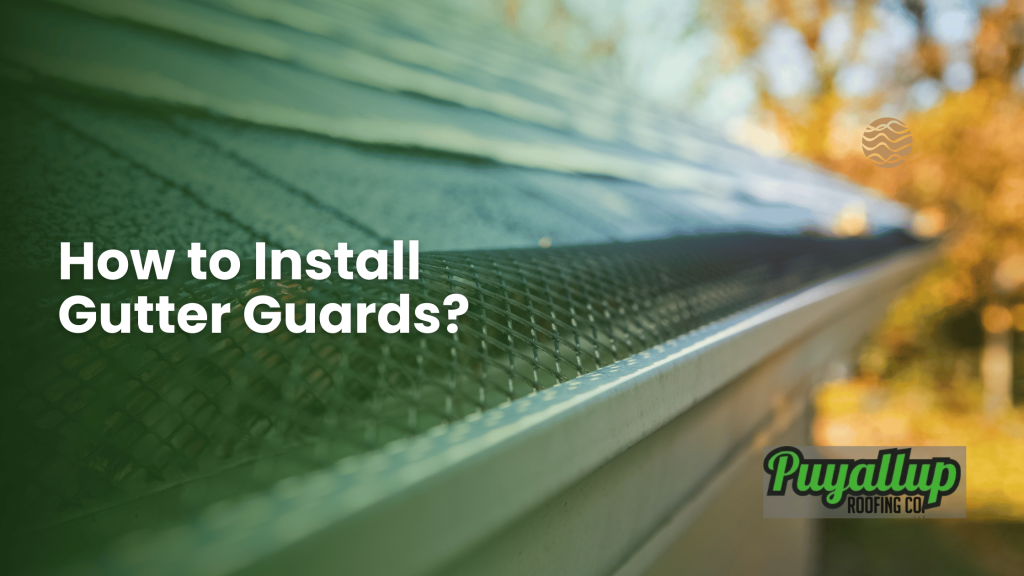
Gutter guards are protective covers designed to keep debris out of the gutter system while allowing rainwater to flow through. They are installed along the top of the gutter and create a barrier between the gutter opening and outside materials.
The main goal of gutter guards is to reduce the buildup of debris that can block water flow and lead to overflow during storms.
Common Problems Gutter Guards Prevent
Gutter guards help prevent several common gutter issues.
- Clogged gutters caused by leaves and debris
- Water overflow during heavy rain
- Roof and fascia damage from trapped moisture
- Pest and debris buildup inside the gutter system
These problems are common in homes surrounded by trees and areas with heavy rainfall.
Different Types of Gutter Guards Available
There are several styles of gutter guards designed for different homes and roof types.
- Mesh gutter guards
- Screen gutter guards
- Reverse curve gutter guards
- Foam inserts
- Brush style guards
Each type provides a different level of protection and installation method.
Signs Your Home Needs Gutter Guards
Frequent Gutter Clogs
If your gutters constantly fill with leaves or debris, installing guards can help prevent repeated blockages.
Water Overflow During Rainstorms
Overflowing gutters during storms usually indicate that water cannot move through the system properly.
Plants or Moss Growing in Gutters
Debris trapped inside gutters can turn into soil, allowing plants or moss to grow.
Sagging or Damaged Gutters
Excess weight from water and debris can cause gutters to sag or pull away from the roof.
Pest or Rodent Activity in Gutters
Birds, insects, and rodents sometimes nest inside clogged gutters because they provide shelter.
Tools and Materials Needed to Install Gutter Guards
Before learning how to install gutter guards, it is important to gather the necessary tools and materials.
Basic Tools for Installation
- Ladder
- Work gloves
- Safety glasses
- Measuring tape
- Screwdriver or drill
- Tin snips
These tools help ensure safe and accurate installation.
Materials Required
- Gutter guards or gutter screens
- Screws or clips
- Sealant if needed
Some gutter guard systems come with a guard kit that includes clips and mounting hardware.
How to Install Gutter Guards Step by Step
Step 1: Clean Your Gutters Completely
Before installing any guard system, your gutters must be clean.
- Remove leaves, debris, and dirt from the gutter channel
- Flush the gutter with water to remove remaining buildup
Cleaning your gutters first helps ensure the guards sit properly and water flows freely.
Step 2: Inspect Gutters for Damage
Check the entire gutter system for signs of damage.
Look for cracks, loose brackets, or sections pulling away from the roof. Repair any issues before installing the guards.
Step 3: Measure the Gutter Length
Measure the length of each gutter section to determine how many guard pieces you need.
Accurate measurements help avoid gaps and ensure complete gutter protection.
Step 4: Cut Gutter Guards to Fit
Many gutter guard systems come in standard lengths. Use tin snips to cut the guards so they fit each section of the gutter properly.
Step 5: Position the Gutter Guard
Place the guard so one side rests under the edge of the roof or shingles while the front edge connects to the gutter lip.
Different guard designs may use different positioning methods.
Step 6: Secure the Guard in Place
Secure the guard using screws, clips, or snap in systems depending on the product type. Some systems are incredibly easy to install and simply lock into place.
Step 7: Test the System with Water
Once the installation is complete, run water through the gutters using a hose.
This helps confirm that water flows properly and debris will remain on top of the guards.
How to Install Gutter Guards on Different Roof Types
Installing Guards on Asphalt Shingle Roofs
Most gutter guard systems are designed to slide under asphalt shingles, making installation relatively simple.
Installing Guards on Metal Roofs
Metal roofs may require guards that attach directly to the gutter instead of sliding under roofing material.
Installing Guards on Tile Roofs
Tile roofs sometimes require specialized mounting systems to avoid damaging the tiles.
Considerations for Older Homes
Older homes may have aging gutters or fascia boards. Inspect these areas carefully before installing guards.
Common Mistakes to Avoid When Installing Gutter Guards
Installing Guards Without Cleaning Gutters First
Debris trapped beneath the guards can still block water flow and cause hidden clogs.
Using the Wrong Type of Guard for Your Roof
Different roofing materials require compatible guard systems.
Improper Slope or Alignment
Gutters must maintain the correct slope for water to move toward downspouts.
Blocking Water Flow
Poor placement can prevent water from entering the gutter correctly.
Ignoring Existing Gutter Damage
Installing guards on damaged gutters will not solve drainage issues.
How Much Does It Cost to Install Gutter Guards in Washington?
The cost of gutter guard installation depends on the size of the home and the type of guards selected.
Average Cost for DIY Installation
DIY installation usually costs between $200 and $600 depending on the guard type and gutter length.
Professional Installation Cost Range
Professional installation may range from $800 to $2500 depending on the complexity of the project.
Factors That Affect Gutter Guard Installation Cost
- Home size
- Roof height
- Type of guard material
- Labor costs
Homes with multi level roof structures may require additional installation work.
| Installation Type | Estimated Cost |
|---|---|
| DIY Installation | $200 to $600 |
| Professional Installation | $800 to $2500 |
| Premium Systems | $2500+ |
Benefits of Installing Gutter Guards
Reduced Gutter Maintenance
Gutter guards reduce the need for frequent gutter cleaning.
Better Water Drainage
They help maintain consistent water flow through the gutter system.
Protection for Roofing and Siding
Proper drainage protects the roof and exterior walls from moisture damage.
Prevention of Ice Dams
Debris free gutters can help reduce conditions that lead to ice dams during colder months.
Increased Home Value
Homes with well maintained gutter systems are more attractive to buyers.
DIY vs Professional Gutter Guard Installation
Advantages of Installing Gutter Guards Yourself
DIY installation can work well for smaller homes or simple gutter systems.
Benefits include:
- Lower cost
- Flexible schedule
- Easy installation for some systems
When Professional Installation Is the Better Option
Professional installation may be safer for multi story homes or complex roof designs.
Safety Considerations for Roof Work
Working on ladders and roofs carries risks. Always follow safety precautions and avoid working during wet conditions.
How Gutter Guards Protect Your Roof and Drainage System
Preventing Roof Damage
Blocked gutters allow water to back up under roofing materials.
Protecting Foundations from Water Damage
Overflowing gutters can cause water to collect near the foundation.
Reducing Mold and Mildew Risks
Standing water can create conditions for mold growth around the home.
Extending Gutter Lifespan
Reducing debris and moisture helps gutters last longer.
Why Choose Professional Gutter Guard Installation Services in Washington?
Expertise and Proper Installation Techniques
Experienced roofing professionals understand the best methods for installing gutter guards based on roof type and climate.
Access to High Quality Materials
Professionals often use durable materials designed for long term performance.
Safer Installation for Multi Story Homes
Trained teams have equipment designed for safe roof work.
Long Term Performance and Warranty Options
Professional installation often includes warranties and service guarantees.
Serving Homeowners Across Washington
Puyallup Roofing proudly helps homeowners protect their homes with roofing and gutter solutions. Our team serves homeowners in Puyallup and surrounding Washington communities including Tacoma, Sumner, Bonney Lake, Graham, Edgewood, South Hill, Federal Way, and Auburn.
The Pacific Northwest climate brings frequent rain and seasonal debris that can quickly clog gutters. Our team understands these local conditions and helps homeowners choose gutter protection systems designed for Washington weather.
Contact Puyallup Roofing for Professional Roofing and Gutter Solutions
Choosing the right roofing contractor can make a major difference in the durability and performance of your home drainage system. At Puyallup Roofing, we provide professional roofing and gutter services designed to protect homes throughout Washington.
Our team specializes in roof inspections, gutter installation, gutter guard systems, and ongoing roof maintenance. We focus on quality workmanship, reliable materials, and solutions built to handle the region’s rainy climate.
If you want help installing gutter protection or improving your gutter system, our team is ready to assist. We proudly serve homeowners in Puyallup, Tacoma, Sumner, Bonney Lake, Graham, Edgewood, South Hill, Federal Way, Auburn, and nearby Washington communities.
Leave A Comment