

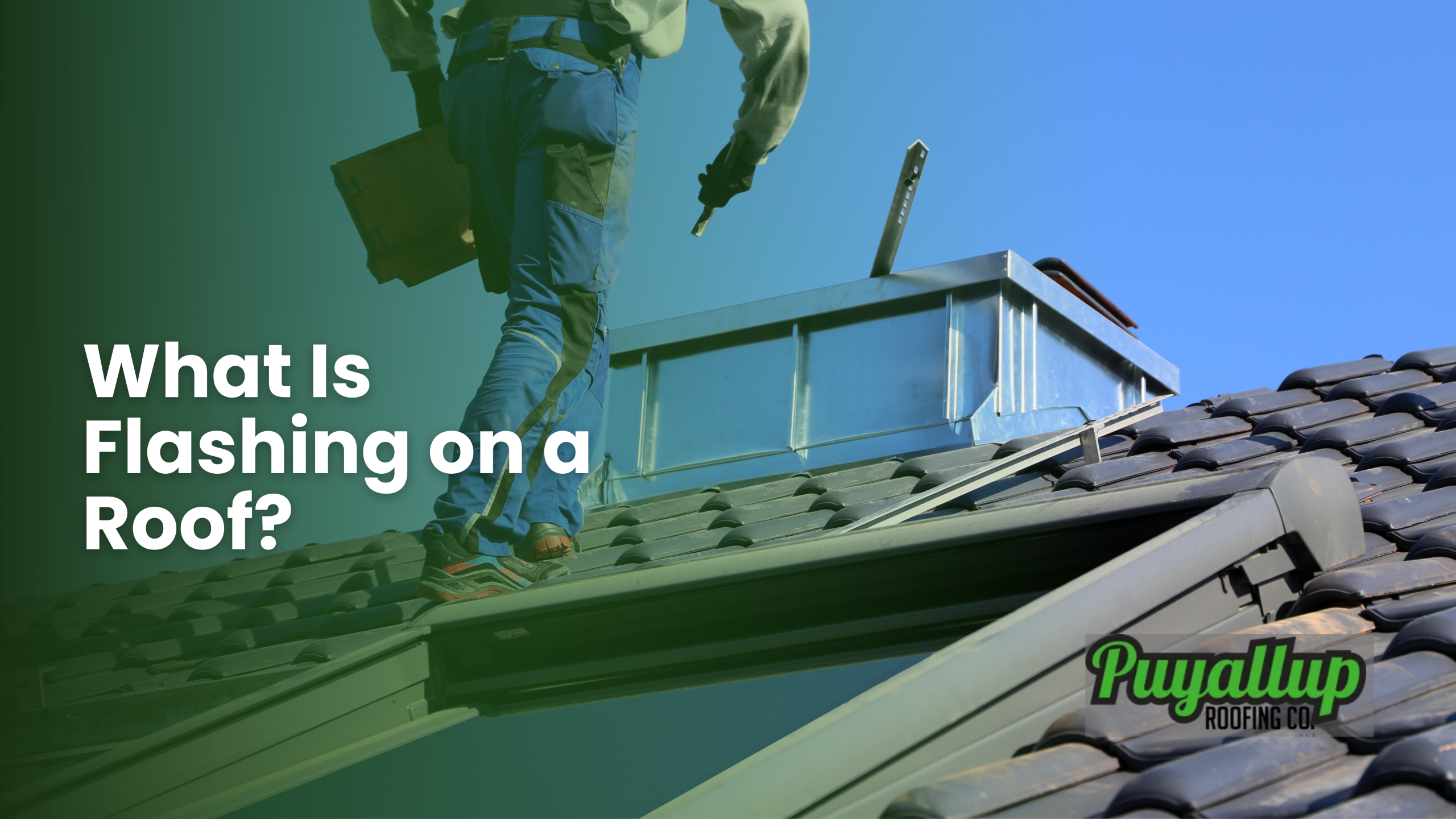
A roof does more than shield your home from rain and sun. It is a carefully connected system where small details can make a major difference. Roof flashing is one of those details. Although it may not be the most noticeable part of a roof, properly installed flashing helps direct water away from vulnerable areas and reduces the risk of moisture damage.
If you have ever wondered what flashing is on a roof, you are not alone. Many homeowners only learn about flashing after discovering a leak around a chimney, wall, valley, or roof edge. Understanding its purpose can help you recognize potential problems early and make smarter decisions about roofing maintenance. With professional guidance from Puyallup Roofing, homeowners can better protect their roofs and address flashing issues before they lead to costly repairs.
Why Roof Flashing Matters for Roofing Protection
Rain does not always fall straight down. Wind can push water beneath shingles and into gaps around joints and vertical surfaces. Without appropriate flashing, moisture can reach the roof deck or penetrate an exterior wall.
Once water gets into these areas, it may cause wood deterioration, staining, mould growth, or insulation problems. In difficult situations, continued moisture exposure can weaken structural components.
Flashing provides an important line of defense by guiding water away from vulnerable connections. It can also help prevent water from moving behind roofing materials where it is difficult to detect.
For homeowners, the value of flashing often becomes obvious when it fails. A roof may appear to be in good condition from the ground while a small damaged section allows water to enter. This is one reason Puyallup Roofing recommends paying attention to the entire roofing system instead of focusing only on visible shingles.
Common Roof Flashing Locations
Flashing can be found in several places across residential roofs. Its design and placement depend on the roof layout, construction details, and materials used.
Common locations include:
- Roof valleys: Valleys collect water from two roof slopes and need effective water management.
- Wall flashing: Installed where the roof meets an exterior wall to prevent water from entering the joint.
- Chimneys: Flashing around chimneys helps protect the masonry-roofing intersection.
- Roof edges: Edge flashing works in conjunction with drip components to direct water away from vulnerable surfaces.
- Vents and skylights: These penetrations require carefully fitted flashing to reduce the possibility of leaks.
- Deck and roof transitions: Where different structures meet, flashing can help manage water movement.
Because every roof is different, the correct flashing approach depends on the specific construction. Puyallup Roofing can evaluate these areas and identify conditions that may require maintenance or repair.
Types of Flashing Used on Roofs
Different roof designs call for different flashing configurations. Some flashing is installed as straight sections, while other pieces are shaped to fit corners, transitions, or penetrations.
Step flashing is frequently used where a sloped roof meets a wall. Individual pieces are layered with the roofing shingles so water is directed outward rather than behind the wall.
Continuous flashing may be used along longer transitions, while valley flashing is designed for areas where water flows between two roof slopes. Counterflashing can also be incorporated around masonry features such as chimneys.
The goal is always the same: create a reliable path for water to move away from vulnerable areas. A qualified roofing contractor must understand how these components interact with the surrounding shingles and structure.
Flashing Materials and Their Advantages
Several materials can be used for roof flashing. The best choice depends on the property’s construction, local conditions, roof type, and compatibility with other materials.
Common options include galvanized steel, aluminum, copper, and other corrosion-resistant products. Each material has distinct characteristics in terms of durability, flexibility, appearance, and cost.
For example, aluminum is lightweight and relatively easy to shape, while copper is known for its longevity and distinctive appearance. Galvanized steel is another practical option for many applications.
Material compatibility is especially important. Certain combinations of metals can create unwanted chemical reactions that accelerate corrosion. An experienced professional considers these factors before selecting flashing materials.
Puyallup Roofing can help homeowners understand which materials are appropriate for their roofing application, rather than choosing a product solely based on appearance or price.
Warning Signs of Damaged or Failing Flashing
Flashing can deteriorate because of age, weather exposure, improper installation, physical damage, or movement between building components. Sometimes the first sign is a visible problem, but other issues can remain hidden.
Look for water stains on ceilings or walls, damp areas near roof intersections, deteriorating materials around exterior walls, or signs of moisture near chimneys and vents. Outside, homeowners may notice loose flashing, corrosion, lifted sections, or gaps around joints.
Damaged flashing does not always mean the entire roof needs replacement. In some cases, correcting a specific flashing problem may resolve the issue. However, delaying an inspection can allow a small problem to spread into the roof deck or surrounding structure.
If you notice signs of water intrusion, Puyallup Roofing can help determine whether the source is related to flashing, shingles, drainage, or another part of the roofing assembly.
Why Professional Roof Inspection Matters
A roof inspection is about more than looking for missing shingles. A thorough evaluation should consider flashing, valleys, penetrations, edges, drainage paths, and areas where different materials meet.
Some flashing problems are difficult to identify from the ground. A professional inspection can uncover lifted pieces, deteriorated sealant, corrosion, improper overlaps, or installation details that may eventually allow water into the building.
Regular inspection is particularly valuable after severe weather or when a roof is approaching the later portion of its expected service life. Catching problems early may help prevent more extensive repairs.
When Puyallup Roofing performs a roof evaluation, homeowners can gain a clearer understanding of their roofing system’s condition and which areas need attention.
Protecting Your Roof With Proper Flashing
Good flashing installation depends on proper measurements, placement, overlaps, fastening methods, and integration with the surrounding roofing materials. It should not simply be attached over an existing problem and considered finished.
Homeowners should also avoid assuming that visible caulking is a permanent solution. Sealants can deteriorate over time, and adding more material may not correct an underlying installation problem.
The surrounding roof must also be considered. If shingles are damaged or drainage is poor, repairing the flashing alone may not resolve the issue.
A knowledgeable roofing contractor can assess how the various components work together and recommend an appropriate solution. This comprehensive approach is particularly important around complicated roof-to-wall connections, valleys, and penetrations.
Choose Puyallup Roofing for Roof Flashing Guidance
Understanding what flashing is on a roof gives homeowners a better perspective on one of the most important protective details in a roofing system. Flashing may be made of relatively small pieces, but its job is significant. By directing water away from vulnerable joints, it helps reduce the opportunity for moisture to reach the roof deck, walls, and interior spaces.
From flashing concerns to broader roofing needs, choosing an experienced company can make the process easier and more dependable. Puyallup Roofing is committed to helping homeowners make informed decisions with professional service and careful attention to roofing details.
Whether you have noticed a possible leak, are preparing for an inspection, or simply want to understand your roof’s condition, professional guidance can provide valuable peace of mind.
Keep water where it belongs: outside your home. Contact Puyallup Roofing today for dependable roof flashing evaluation and professional roofing assistance that puts your home’s protection first.