

Black Diamond roof add-ons should solve a real problem, not simply add another feature to your home. At Puyallup Roofing, we evaluate your existing roofing, drainage, ventilation, flashing, and attic conditions before recommending improvements. For Black Diamond properties, where wet weather, tree debris, and persistent moisture can put added pressure on a roof, the right upgrades can improve protection without creating unnecessary complexity.
What Can the Right Roof Add-Ons Improve?
A useful add-on should make your roofing system work better as a whole.
- Improve attic airflow and moisture management
- Add natural light through a properly flashed skylight
- Move rainwater away more effectively with better gutters and drainage
- Protect vulnerable roof penetrations and transitions
- Support compatible rooftop equipment on commercial properties
- Coordinate upgrades with a replacement or other construction work
The best option depends on what your property needs now and how the existing system was built.
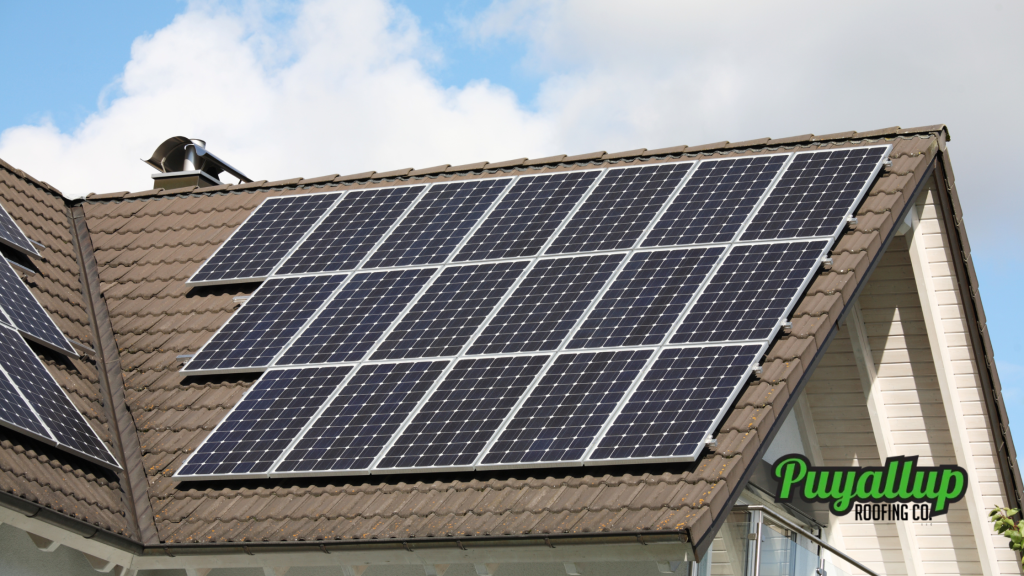
Which Roof Add-Ons Make Sense in Black Diamond?
Black Diamond roofing projects can involve homes of different ages, rooflines, materials, and surrounding conditions. An upgrade that works well on one property may provide little value on another.
Attic Ventilation for Better Moisture Control
Ventilation is one of the most practical improvements when attic heat or moisture is not moving out of the building properly.
Balanced intake and exhaust ventilation helps air move through the attic instead of allowing excess heat and moisture to remain trapped. The U.S. ENERGY STAR program also explains that proper attic ventilation works together with insulation and air sealing to manage moisture and heat.
We look at existing vents, soffit airflow, insulation conditions, and the overall roof design before recommending changes. Adding vents without understanding the existing airflow pattern may not correct the underlying issue.
Skylights, Flashing, and Roof Penetrations
A skylight can improve natural light and make an interior space feel more open, but installation requires careful waterproofing.
Any new opening in a roof creates a transition where water must be directed correctly. Proper flashing, placement, and integration with surrounding roofing materials are critical. The same principle applies to vents, pipes, and other exterior penetrations.
If surrounding materials are already damaged, targeted roof repair may need to happen before the new component is installed.
Gutters and Drainage Improvements
Gutters are part of the roofing system, not a separate afterthought.
Black Diamond properties with nearby trees can collect leaves, needles, and debris that interfere with drainage. Gutters, downspouts, and gutter protection can help keep runoff moving away from roof edges, siding, landscaping, and the foundation.
Signs that drainage may need attention include overflowing gutters, sagging sections, standing water near the building, staining below the roofline, or repeated debris buildup.
Commercial Roofing Add-Ons and Equipment Support
Commercial roofing may require additional planning when rooftop equipment, roof curbs, access points, or other components are involved.
The support, flashing, waterproofing, and surrounding roofing materials all need to function together. Commercial equipment may also introduce additional weight or require coordination with mechanical trades.
For new construction or renovation work, planning these components early can prevent awkward modifications after the main roofing system has already been installed.
How a Roofing Contractor Plans Roof Add-Ons
Installing the component is only one part of the job. The surrounding roofing must remain watertight and structurally appropriate after the work is finished.
| What We Check | Why It Matters |
|---|---|
| Existing roofing condition | Confirms whether the surrounding system can support the upgrade |
| Drainage pattern | Prevents new components from interfering with water flow |
| Flashing and penetrations | Protects vulnerable areas from water intrusion |
| Attic conditions | Helps identify ventilation or moisture concerns |
| Structural needs | Matters for heavier or more complex additions |
First, We Inspect What Is Already There
We look at the existing surface, flashing, drainage, attic conditions, and the proposed installation area.
If the main roof is approaching the end of its useful life, installing an add-on first may create extra work later. In that situation, coordinating the improvement with replacement can make more sense.
Then We Plan the Integration
Placement matters. A vent, skylight, curb, or drainage improvement should complement the existing slope and water path.
For Black Diamond roofing work, this is especially important because a small weakness around flashing or a penetration can become much more noticeable during extended wet weather.
We Check Whether the Scope Affects Local Requirements
Not every improvement requires the same permitting process. Black Diamond’s official re-roof permit guidance notes that permits are required for certain work involving roof decking and some commercial projects. The city’s inspection guidance also considers attic ventilation and adequate drainage when applicable.
Projects involving structural changes, heavier materials, rooftop equipment, or broader construction modifications should therefore be reviewed based on their actual scope.
When Is the Best Time to Add Roofing Upgrades?
You do not always need a full replacement to install Black Diamond roof add-ons. Many upgrades can be completed on an existing system when the surrounding materials are still in good condition.
A replacement project, however, can be a particularly practical time to evaluate ventilation, gutters, flashing, skylights, and other improvements. Existing materials are already being addressed, making it easier to coordinate several components within one construction plan.
For residential roofing, this can reduce the need to disturb newly installed materials later. On a commercial property, early coordination can also help keep equipment support, waterproofing, and access requirements organized.
Improve the Roof You Already Depend On
Black Diamond roof add-ons should improve protection, comfort, drainage, or usability without introducing new weak points. Puyallup Roofing serves Black Diamond along with nearby Maple Valley, Covington, Enumclaw, Auburn, Ravensdale, and other communities throughout King County and Western Washington.
If you are considering ventilation improvements, skylights, gutters, flashing upgrades, or another addition, get in touch and schedule an estimate. We can inspect the existing system and explain which improvements make sense for your property.
Frequently Asked Questions About Black Diamond Roof Add-Ons
How Much Do Roof Add-Ons Cost in Black Diamond?
Cost depends on the type of add-on, roof access, materials, existing conditions, waterproofing requirements, and the amount of labor involved.
A ventilation improvement will have a very different scope from a skylight, full gutter system, or commercial equipment support.
Can Roof Add-Ons Be Installed on an Existing Roof?
Yes, many Black Diamond roof add-ons can be installed without replacing the complete roof.
The surrounding roofing should be inspected first to confirm that it is in suitable condition and that the new feature can be integrated without creating drainage or flashing problems.
How Long Does a Roof Add-On Project Take?
Simple upgrades may require limited installation time, while larger or more complicated projects can take longer.
Weather, access, structural work, materials, and permit requirements can all affect scheduling.
Do I Need a Permit for a Roof Add-On in Black Diamond?
It depends on what the project changes.
Minor improvements may not require the same approval as structural work, roof decking changes, heavier materials, or certain commercial alterations. The exact scope should be checked before work begins.
Which Roof Add-On Is Most Useful for Black Diamond Homes?
The most useful upgrade is the one that addresses an existing weakness.
For many properties, drainage, ventilation, flashing, gutter protection, or skylight waterproofing can provide more practical value than adding a feature simply for appearance.
- Asphalt Shingle Roofing
- Emergency Tarp-Offs
- Gutters & Gutterguards
- IKO Shingle Roofing
- Metal Roofing
- Owens Corning Roof Shingles
- Roof Add-Ons
- Roof Repair Services
- Roof Replacements
- Roofing
- Lakewood Roof Add-Ons
- Tacoma Roof Add-Ons
- Spanaway Roof Add-Ons
- Frederickson Roof Add-Ons
- South Hill Roof Add-Ons
- Graham Roof Add-Ons
- Puyallup Roof Add-Ons
- Gig Harbor Roof Add-Ons
- Bonney Lake Roof Add-Ons
- University Place Roof Add-Ons
- Orting Roof Add-Ons
- Sumner Roof Add-Ons
- Enumclaw Roof Add-Ons
- Parkland Roof Add-Ons
- Fircrest Roof Add-Ons
- Buckley Roof Add-Ons
- DuPont Roof Add-Ons
- Fife Roof Add-Ons
- Maple Valley Roof Add-Ons
- Black Diamond Roof Add-Ons
- Covington Roof Add-Ons
- Kent Roof Add-Ons

How to Remove Moss From Roof?
What Is a Fortified Roof?
How to Clean a Clogged Gutter?
What Is Flashing on a Roof?