

The right Fife roof add-ons can solve problems that shingles alone cannot. From improving drainage and attic airflow to protecting vulnerable penetrations, these upgrades help the entire roofing system work together. At Puyallup Roofing, we look at what your property actually needs before recommending an addition, so you are not paying for features that add complexity without practical value.
What Should Fife Property Owners Know Before Adding to a Roof?
A useful roof upgrade should solve a specific problem, work with the existing materials, and maintain proper water movement.
- Ventilation upgrades can help manage trapped attic heat and moisture.
- Gutters and gutter guards improve rainwater control around the home.
- Flashing protects joints, transitions, vents, skylights, and other openings.
- Existing roof condition should be checked before adding new components.
- Metal roofing and shingle roofing require different installation details.
- Some projects may involve local permit or inspection requirements.
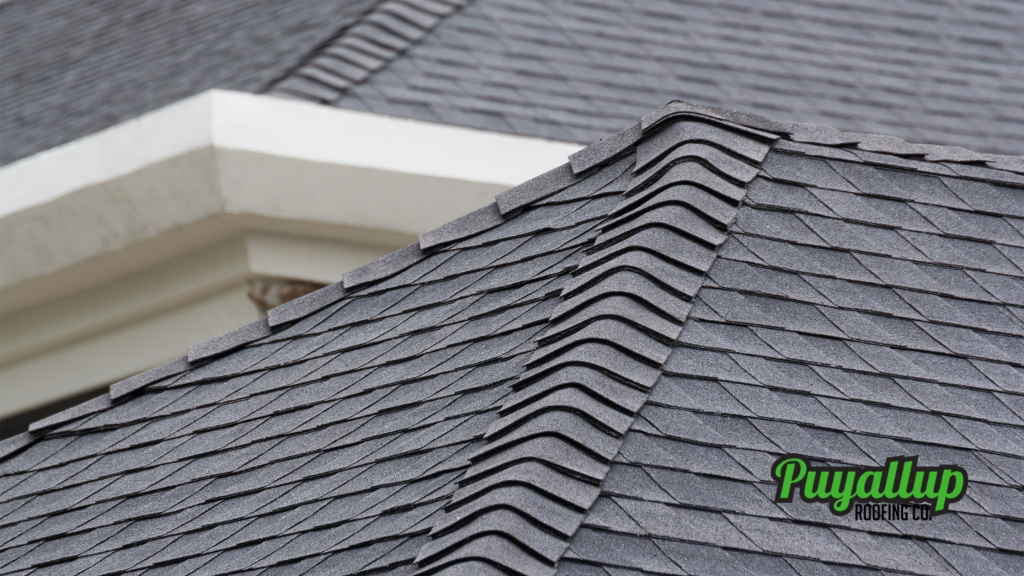
Which Roof Add-Ons Make Sense for Fife Homes?
Fife gets the kind of wet Pacific Northwest weather that makes drainage and moisture management especially important. The best improvement depends on the roof design, existing materials, surrounding trees, attic conditions, and the problem you want to correct.
Ventilation Upgrades for Attic Heat and Moisture
Ventilation is not simply about installing another vent. Intake and exhaust need to work together so air can move through the attic without creating unintended problems.
Proper airflow may help reduce excess moisture and heat around the roof structure. The U.S. EPA’s ENERGY STAR attic ventilation guidance also explains why soffit vents should remain unobstructed and why attic insulation and ventilation should be considered together.
Before changing ventilation, roofers should check the existing intake, exhaust, insulation, and attic conditions rather than adding components at random.
Gutters and Water Management
A roofing system has to control where rainwater goes after it reaches the roof.
Gutters, downspouts, and gutter guards can help move water away from roof edges, siding, landscaping, and the foundation. They are particularly useful where leaves, needles, or other debris regularly enter the drainage system.
Poor drainage should not be treated as a small inconvenience. Overflow near fascia and roof edges can expose materials to repeated moisture and may eventually lead to roof repair or additional exterior work.
Flashing Around Vents, Skylights, and Transitions
Every opening in a roof creates an area that needs careful waterproofing.
Flashing, ventilation components, skylights, walls, chimneys, and other penetrations must be integrated with the surrounding roofing instead of simply attached on top. Good flashing ventilation detailing helps direct water away from vulnerable joints.
This matters whether the property has asphalt roof shingles or metal roofing. Installation methods differ, but the goal stays the same: keep water moving over and away from the roofing materials.
Can Add-Ons Be Installed on an Existing Fife Roof?
Yes, many Fife roof add-ons can be installed without replacing the entire roof, provided the existing system is in suitable condition.
Check the Existing Roof First
Adding a new feature to worn or damaged roofing can create more work later. Before installation, the surrounding shingles or panels, decking, flashing, drainage, and penetrations should be inspected.
If significant deterioration is already present, completing roof repair or planning replacement may provide better long-term value than installing an upgrade first.
Roof Replacement Can Be the Best Time to Coordinate Improvements
When a roof is already being replaced, several improvements can often be planned as one project.
That may include ventilation changes, gutter work, new flashing, drainage improvements, or compatible protective components. Coordinating the work helps avoid removing newly installed materials later to make another change.
It also gives the roofing contractor a clear view of the decking and underlying conditions before the new system is installed.
Do Fife Roof Add-Ons Require a Permit?
Some do. Permit requirements depend on what is being changed and whether the work affects the structure or another regulated building system.
The City of Fife Online Permit Center provides access to permit applications, permit status, inspection requests, and related documentation. A basic maintenance item may be different from adding a structural opening, modifying equipment, or completing substantial roofing work.
The scope should be reviewed before installation begins so the project can be planned correctly and any required approvals can be handled before work starts.
What Happens During a Roof Add-On Project?
The process should start with the roof, not with a product recommendation.
1. Inspect the Existing Conditions
We look at the roofing surface, drainage, attic conditions when relevant, flashing, penetrations, and the proposed installation area.
2. Determine Compatibility
The next step is checking whether the proposed addition works with the roof slope, materials, structure, and water-flow pattern.
A feature that works well on one Fife roof may not be appropriate for another.
3. Plan the Waterproofing and Installation
Placement matters. Openings, fasteners, curbs, vents, and transitions must be integrated so water continues to move away from vulnerable areas.
4. Complete and Review the Work
After installation, the surrounding roofing and finished details should be checked so the addition performs as part of the complete system.
Choose Improvements That Solve a Real Roofing Problem
Not every roof needs more equipment or more features. Sometimes a targeted repair, improved flashing, or better drainage is more useful than a complicated add-on.
Puyallup Roofing focuses on practical recommendations based on property conditions, long-term protection, and clear communication. The company is based at 6411 72nd St E, Puyallup, WA 98371. Customers can call or text (253) 201-8034 or email info@puyalluproofing.com.
Plan Your Fife Roofing Improvements With a Local Team
Whether you are improving an existing Fife roof, coordinating upgrades with replacement, or trying to solve a drainage or ventilation issue, the right approach starts with understanding the complete system.
Puyallup Roofing works with property owners in Fife and nearby communities including Tacoma, Edgewood, Puyallup, Milton, and Federal Way. If you are considering Fife roof add-ons, get in touch to schedule a free, no-obligation estimate and find out which improvements make sense for your property.
Frequently Asked Questions About Fife Roof Add-Ons
How Much Do Roof Add-Ons Cost in Fife?
Cost depends on the type of add-on, materials, accessibility, roof condition, and installation complexity.
A simple ventilation or flashing improvement can involve much less work than gutters, skylights, structural changes, or several upgrades completed together.
How Long Does a Roof Add-On Installation Take?
Many individual upgrades can be completed relatively quickly, but timing depends on scope, weather, access, materials, and necessary repairs.
Projects involving structural changes or several coordinated services may require additional planning.
Can I Add Ventilation Without Replacing My Roof?
Yes, ventilation improvements can often be made without complete replacement if the existing roofing is in good condition.
The intake and exhaust system should be evaluated together before deciding what type of vent to add.
Can a Skylight Be Added to an Existing Roof?
Often yes, but the roof structure, placement, slope, flashing requirements, and condition of the surrounding materials need to be checked first.
Correct waterproofing around the new opening is essential.
Should I Install Add-Ons Before Replacing an Older Roof?
Usually, it is better to assess the remaining life of the roof first.
If replacement is approaching, coordinating Fife roof add-ons with the new roofing installation may avoid duplicate labor and unnecessary disturbance of newer materials.
- Asphalt Shingle Roofing
- Emergency Tarp-Offs
- Gutters & Gutterguards
- IKO Shingle Roofing
- Metal Roofing
- Owens Corning Roof Shingles
- Roof Add-Ons
- Roof Repair Services
- Roof Replacements
- Roofing
- Lakewood Roof Add-Ons
- Tacoma Roof Add-Ons
- Spanaway Roof Add-Ons
- Frederickson Roof Add-Ons
- South Hill Roof Add-Ons
- Graham Roof Add-Ons
- Puyallup Roof Add-Ons
- Gig Harbor Roof Add-Ons
- Bonney Lake Roof Add-Ons
- University Place Roof Add-Ons
- Orting Roof Add-Ons
- Sumner Roof Add-Ons
- Enumclaw Roof Add-Ons
- Parkland Roof Add-Ons
- Fircrest Roof Add-Ons
- Buckley Roof Add-Ons
- DuPont Roof Add-Ons
- Fife Roof Add-Ons
- Maple Valley Roof Add-Ons
- Black Diamond Roof Add-Ons
- Covington Roof Add-Ons
- Kent Roof Add-Ons

How to Remove Moss From Roof?
What Is a Fortified Roof?
How to Clean a Clogged Gutter?
What Is Flashing on a Roof?