
A metal roof can give a home or commercial property durable protection through years of Pacific Northwest rain, wind, and seasonal changes. If you are considering Fife metal roofing, Puyallup Roofing helps you compare practical options, understand what the installation involves, and choose a system that fits your property instead of pushing a one-size-fits-all solution.
Puyallup Roofing puts customer relationships first and brings more than 50 years of combined roofing experience to residential and commercial projects. The company is licensed, bonded, and insured and serves Western Washington.
What to Expect From Your Metal Roofing Project
A successful metal roof depends on more than the visible panels. Roof preparation, flashing, ventilation, underlayment, and fastening all affect long-term performance.
- Existing roof and decking condition are checked first
- The roofing system is matched to roof design, slope, and project goals
- Flashing, valleys, edges, and penetrations are planned carefully
- Panel profile, finish, color, and fastening method are reviewed
- Installation is completed with attention to drainage and clean detailing
- Final checks focus on workmanship and weather protection
Which Metal Roofing System Is Right for Your Fife Property?
The right choice depends on roof shape, budget, appearance goals, and how the building is used.
Standing Seam and Snap Lock Roofing Panels
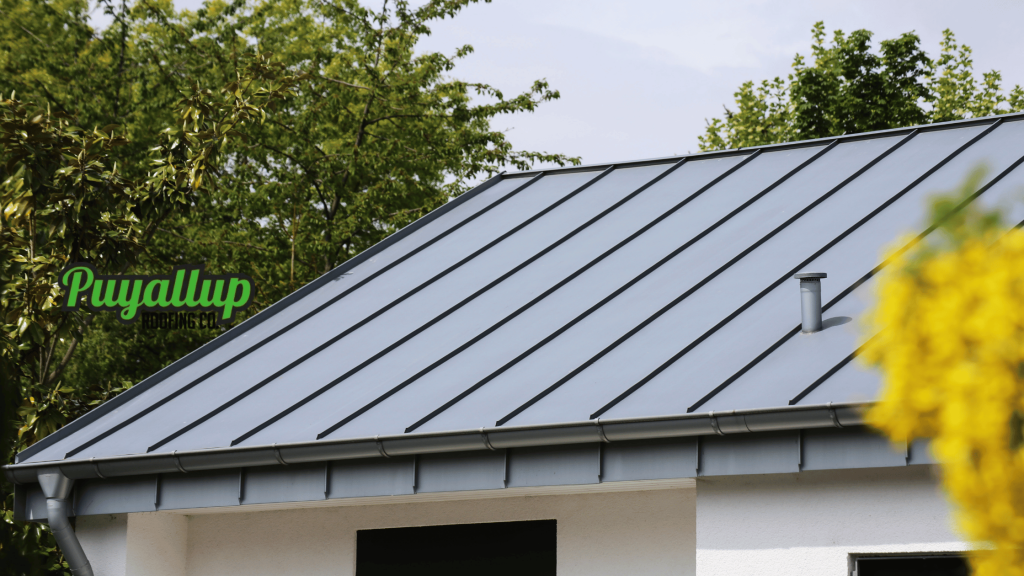
Standing seam roofing panels use raised seams and concealed fasteners for a clean appearance and strong weather protection. Some systems use snap lock connections, while others are mechanically seamed depending on roof slope and manufacturer requirements.
Exposed-Fastener Metal Panels
An exposed-fastener metal panel can work well for certain homes, commercial buildings, garages, workshops, and accessory structures. These panels can offer good value, but exposed screws and washers require correct installation and periodic inspection.
Is Aluminum Roofing an Option?
Steel is common in residential metal roofing, while aluminum roofing is another option in the wider market. Aluminum naturally resists corrosion, but product availability, pricing, roof design, and specifications should be considered before choosing it.
| System | Main Advantage | What to Consider |
|---|---|---|
| Standing seam | Concealed fasteners and clean lines | Higher initial investment |
| Exposed-fastener panels | Practical value | Fasteners need inspection |
| Metal shingles | Traditional appearance | Product availability varies |
Why Metal Roofing Works Well in Fife, Washington
Fife shares the wet conditions common across Western Washington. Repeated rain makes water management important, while damp surfaces can encourage moss and organic buildup on many roof types. A properly designed metal roof sheds water efficiently and can reduce concerns about cracking, warping, and moisture absorption.
Fife also includes single-family homes alongside commercial and industrial properties, so roofing needs can vary considerably by building. The City of Fife processes development permits electronically, and contractors working inside city limits are required to obtain a City of Fife business license. Permit requirements depend on project scope, so they should be confirmed before work begins.
What Should Be Checked Before Installation?
The condition below the panels matters. Weak decking should be addressed before a new system is installed, and roof valleys, walls, vents, chimneys, skylights, and other penetrations need careful flashing. Proper underlayment and ventilation also help manage moisture and temperature beneath the finished roof.
How Does the Fife Metal Roofing Process Work?
The process begins with a roof evaluation and a conversation about your priorities. The existing roof is reviewed, suitable roofing systems are discussed, and the required work is explained before installation starts.
Depending on the property, the project may include tear-off, decking repairs, underlayment, flashing, panel installation, trim, ventilation work, and final inspection. Product and manufacturer warranty information should also be reviewed so you understand which items are covered and what maintenance may be required.
The goal is not simply to install Fife metal roofing. It is to build a complete roofing system that protects the property for the long term.
Why Choose Puyallup Roofing?
Puyallup Roofing focuses on clear recommendations, quality craftsmanship, and a no-pressure experience. The team works with homeowners, businesses, property managers, and HOA communities throughout the region.
For Fife metal roofing projects, local familiarity matters. Puyallup Roofing serves Fife and nearby communities including Puyallup, Tacoma, Milton, Edgewood, and Federal Way, along with other areas across Pierce, King, and Thurston counties.
Contact Puyallup Roofing
Ready to discuss a metal roof for your Fife property? Contact Puyallup Roofing for a free, no-obligation estimate.
Call or text (253) 201-8034 to schedule an estimate.
Service area: Fife and communities throughout Pierce, King, and Thurston counties.
Frequently Asked Questions
How Much Does Metal Roofing Cost in Fife?
Metal roofing generally costs more upfront than asphalt shingles, but exact pricing depends on roof size, slope, panel type, tear-off needs, flashing complexity, and decking repairs.
How Long Does a Metal Roof Take to Install?
Many residential projects take several days, but timing depends on roof size, complexity, weather, material availability, and whether repairs are needed before installation.
Can Metal Roofing Be Installed Over an Existing Roof?
Sometimes, but the existing material, decking condition, local requirements, roof weight, and ventilation should be evaluated first.
Is a Metal Roof Noisy When It Rains?
A properly installed residential metal roof is usually quieter than people expect because decking, underlayment, insulation, and attic space help reduce rain noise.
Does a Metal Roof Need Maintenance?
Yes. Periodic inspections should check flashing, sealants, exposed fasteners, roof penetrations, debris buildup, and any signs of coating damage.
- Asphalt Shingle Roofing
- Emergency Tarp-Offs
- Gutters & Gutterguards
- IKO Shingle Roofing
- Metal Roofing
- Owens Corning Roof Shingles
- Roof Add-Ons
- Roof Repair Services
- Roof Replacements
- Roofing
- Maple Valley Metal Roofing
- Black Diamond Metal Roofing
- Covington Metal Roofing
- Orting Metal Roofing
- Puyallup Metal Roofing
- Sumner Metal Roofing
- Enumclaw Metal Roofing
- Bonney Lake Metal Roofing
- Tacoma Metal Roofing
- South Hill Metal Roofing
- Buckley Metal Roofing
- DuPont Metal Roofing
- Gig Harbor Metal Roofing
- Parkland Metal Roofing
- Seattle Metal Roofing
- Kent Metal Roofing
- Graham Metal Roofing
- Frederickson Metal Roofing
- Lakewood Metal Roofing
- Spanaway Metal Roofing
- University Place Metal Roofing
- Fircrest Metal Roofing
- Fife Metal Roofing
How to Remove Moss From Roof?
What Is a Fortified Roof?
How to Clean a Clogged Gutter?
What Is Flashing on a Roof?